
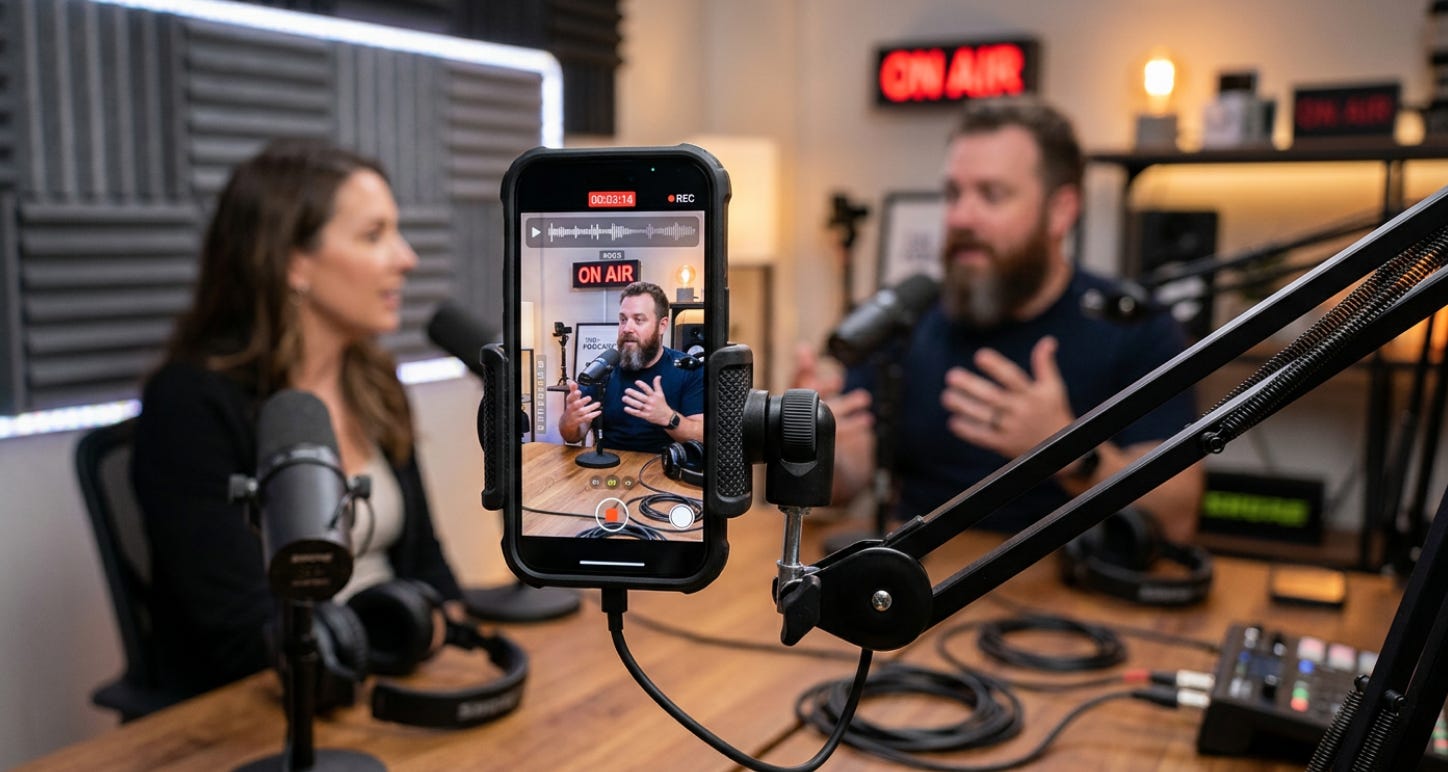
Rebel Audio Bets on AI to Simplify Podcasting
Rebel Audio has launched with a familiar promise: make podcasting easier, faster, and more accessible through AI. The company says it wants to be “the Canva of podcasting,” offering an all-in-one system that lets creators record, edit, and distribute from one platform.
For podcast insiders, the funding matters less than the positioning. This is another sign that podcast tools are being rebuilt for a generation that expects creation to feel more like making social content than managing a traditional production workflow.
The bigger question is whether platforms like this will genuinely help new voices break through or simply make it easier to publish more content into an already crowded market.
Either way, the direction is clear: more speed, more automation, and less tolerance for clunky production stacks. Rebel Audio may or may not become a major player, but its launch is a useful signal of where podcasting software appears to be heading.
The Podcast Clip Economy is Here
Podtrac’s January 2026 multi-channel ranking is a clean reminder that “podcast consumption” now means a mix of full episodes and the clip ecosystem around them. Audio still carries most shows, but the biggest titles are increasingly shaped by where video and short-form discovery happens.
100% of the Top 200 publish audio via RSS
69% get most of their episode delivery from audio; 31% from video
In the Top 50, delivery flips to 52% video / 48% audio; ranks 51–200 skew 74% audio / 26% video
66% post video episodes to YouTube; 23% post video episodes to Spotify
66% post clips to Instagram; 54% to TikTok; 54% to YouTube
36% get more clip delivery than full-episode delivery
On YouTube, delivery is 52% full episodes / 48% clips (not a watch-time measure; clips don’t count toward rank)
The bigger shift is psychological: short vertical clips are becoming a “good enough” version of the show for a lot of people. Someone can see a few strong moments in their feed, feel up-to-date on the guest and the takeaway, and genuinely tell you they “watch your podcast” without ever hitting play on the full episode. In other words, clips aren’t just marketing anymore, they’re a parallel product that can satisfy the audience on their own.
Strong Quarter for Podcasting at iHeart
Podcasting continued to punch above its weight in iHeart’s Q4 2025 results. The segment delivered $174 million in revenue, grew 24.5% year over year, and made up about 15% of the company’s $1.127 billion quarterly revenue.
Podcast Stats of the Week
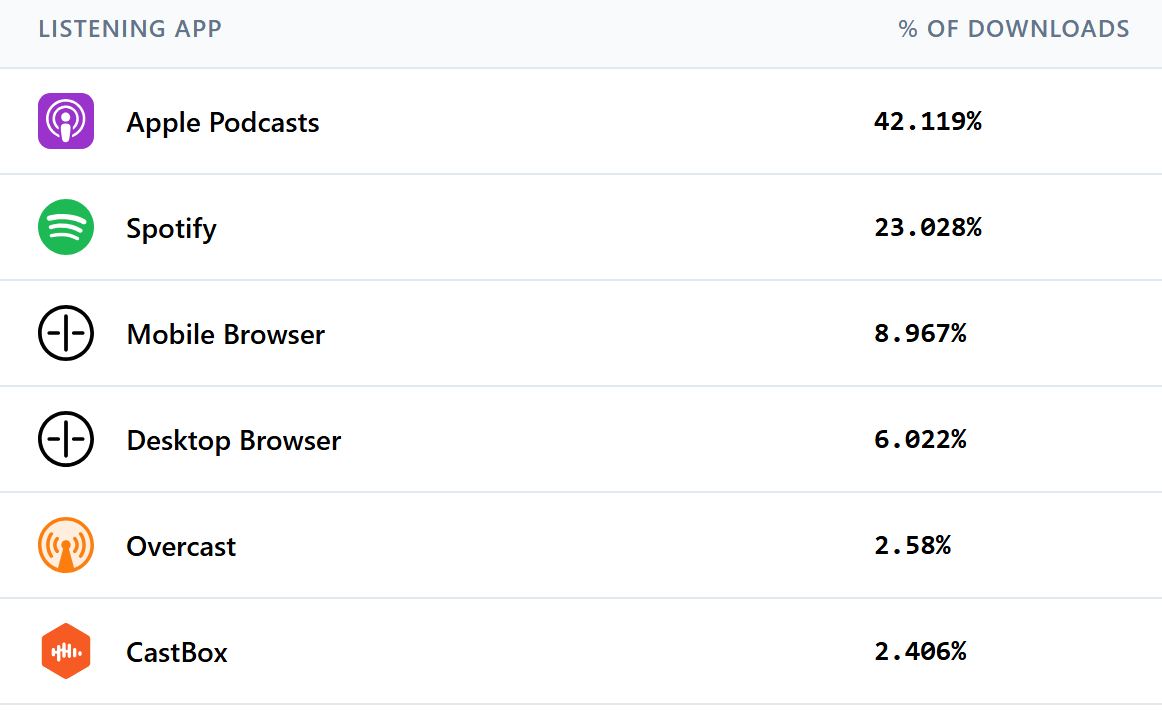
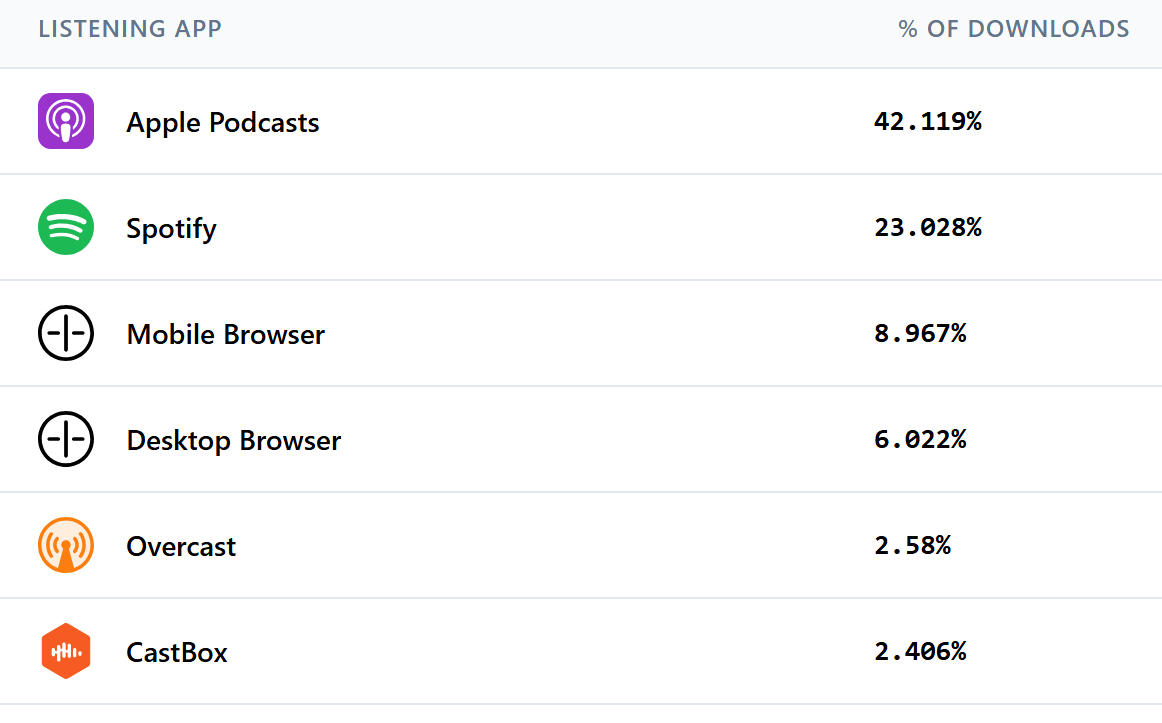
Both Buzzsprout and Transistor saw Apple Podcasts download share rise in January; for Buzzsprout, Apple Podcasts reached its highest level in the past two years at 38.8%.
Here’s the chart from Transistor
Now… just to create confusion, have a look at this chart from Cumulus Media and Signal Hill Insights
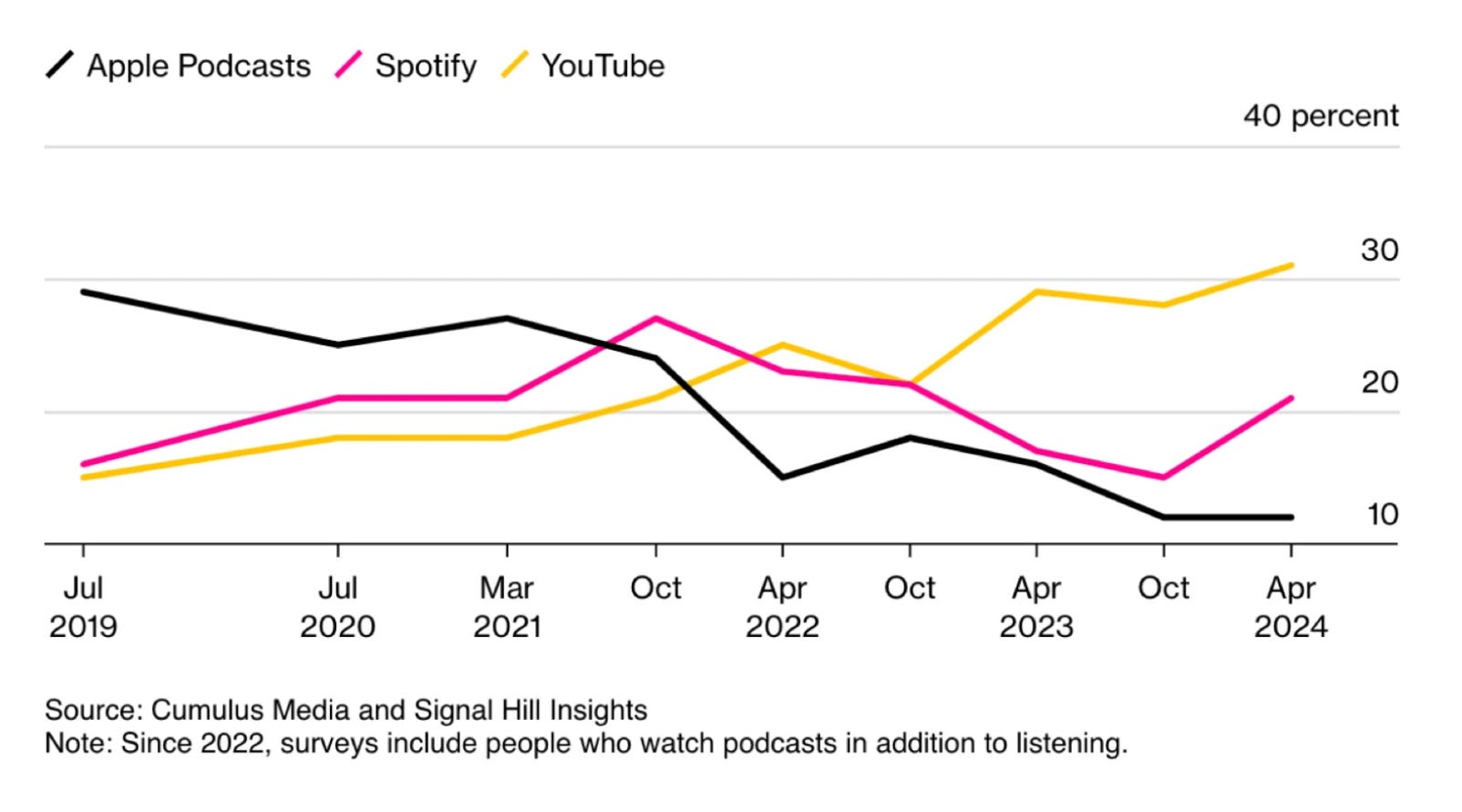
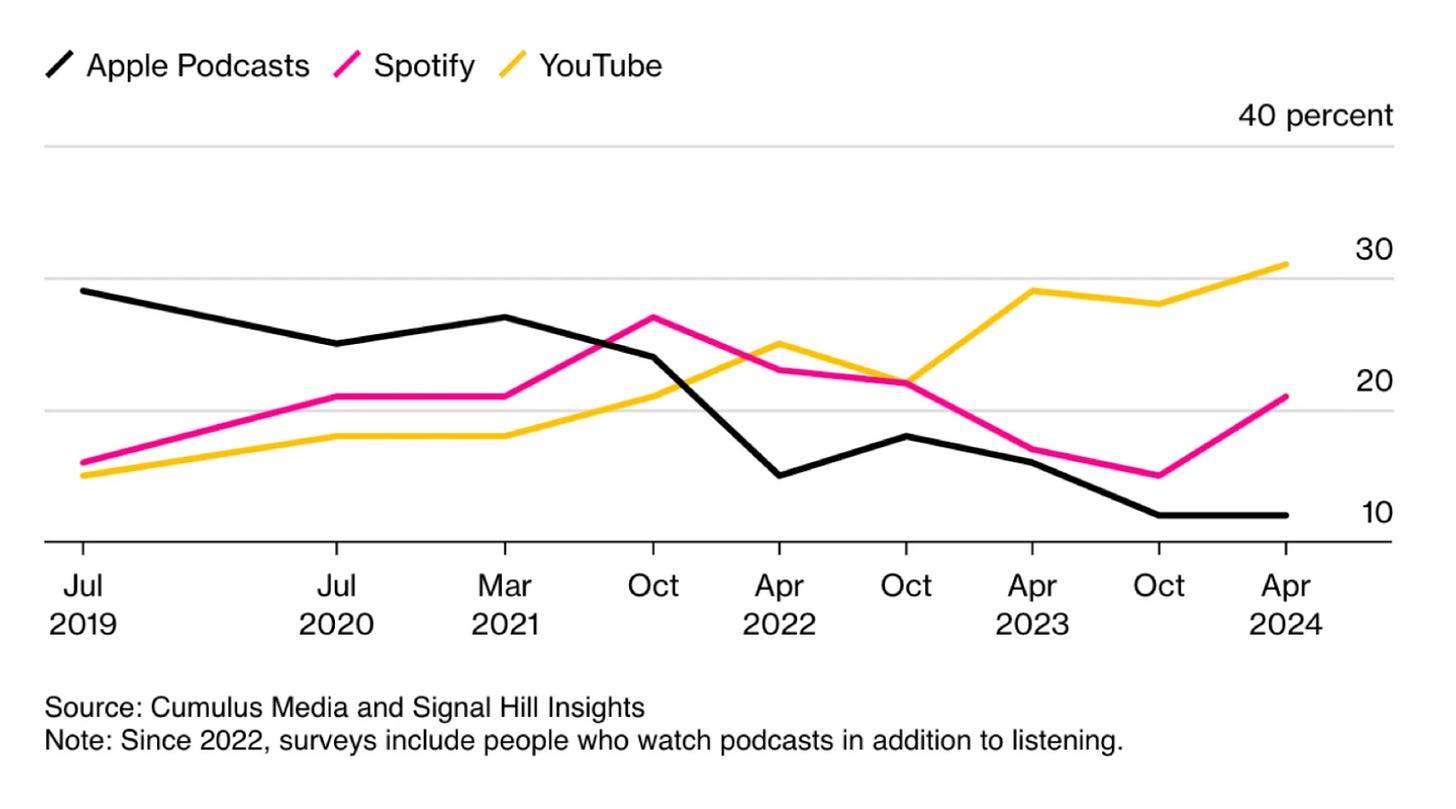
Is one chart accurate but the other inaccurate? Not at all.
The first chart is showing downloads on audio apps only. YouTube views are not included.
The second chart is showing the number of people using Apple/Spotify/YouTube for podcast consumption (and by the way most people would use more than one of those).
Fewer people are using Apple but they’re power users. They are consuming more.
The Technicals on HLS
Interested in the more technical aspects of Apple’s new HLS format? Livewire.io has all the current deets
Our Website Let's connect on LinkedIn Our YouTube channel The Stories and Strategies podcast on Apple, on Spotify And on YouTube