China’s New Rule: Licensing the Right to Podcast
In China, new regulations now require anyone creating podcasts (or content of any kind) about health, finance, education, or law to prove they hold formal qualifications in those fields. Platforms like Douyin, Bilibili, and Weibo must verify each creator’s credentials before publishing their content. The rules also compel creators to disclose when they use generative AI or cite studies, part of a broader campaign by the Cyberspace Administration of China to tighten control over online information and public sentiment.
The Good
On paper, this sounds reasonable. We all see how misinformation and disinformation corrodes public trust and distorts important conversations. When someone with no medical background gives health advice or an untrained “expert” discusses investments, real harm can follow. I understand the instinct to demand more accountability. The internet is overrun with confident voices who are rarely correct and almost never qualified. A layer of verification seems, at least in principle, like a step toward credibility.
The Bad
But the risk is that regulation of speech becomes regulation of thought. Once a government determines who is allowed to speak and on what topics, truth becomes less about evidence and more about permission. The moment expertise is defined by authority instead of inquiry, public dialogue begins to shrink. Free speech is not perfect, but it is the imperfection that keeps a society honest… and without it, even the pursuit of truth can become propaganda.
How to Climb the Charts on Apple
For years, podcasters have been chasing secrets about how to climb Apple’s charts, but Alban Brooke at Buzzsprout has done something more valuable: gathered all the credible information we actually know in one place. His post, “How to Rank Higher on Apple Podcasts,” compiles Apple’s confirmed ranking factors, independent research, and practical advice that finally separate fact from myth. It’s the clearest picture yet of how Apple Podcasts really works.
Steven Bartlett’s $425 Million Play for the Creator Economy
Steven Bartlett has closed a major eight-figure round for Steven.com, valuing the company at $425 million and marking what’s believed to be Europe’s largest creator-holding-company raise to date.
Backed by Slow Ventures and Apeiron Investment Group, the funding keeps Bartlett in firm control with more than 90 percent ownership while fueling his push to build “the Disney of the creator economy.” The company already spans FlightStory, FlightCast, and FlightFund, each designed to scale creator IP into global ventures powered by proprietary tech.
FlightCast.com, Bartlett’s new AI-driven video podcast platform, underlines that ambition, and his Diary of a CEO continues to rank as one of the world’s biggest interview podcasts.
With more than 100 employees and a growing U.S. footprint, Steven.com’s model, creator as franchise, may define the next generation of media empires.
Podcast Stat of the Week
Mexico is fast becoming the heartbeat of digital audio in Latin America, with more than 77 million people tuning in to music, podcasts, and audiobooks. Eight in ten internet users there are already streaming, and Spotify still dominates the space, holding roughly two thirds of paid subscriptions. With that kind of scale, the next big opportunity may not be more listeners, but more reasons to keep them listening.
Pro Tip or Tool
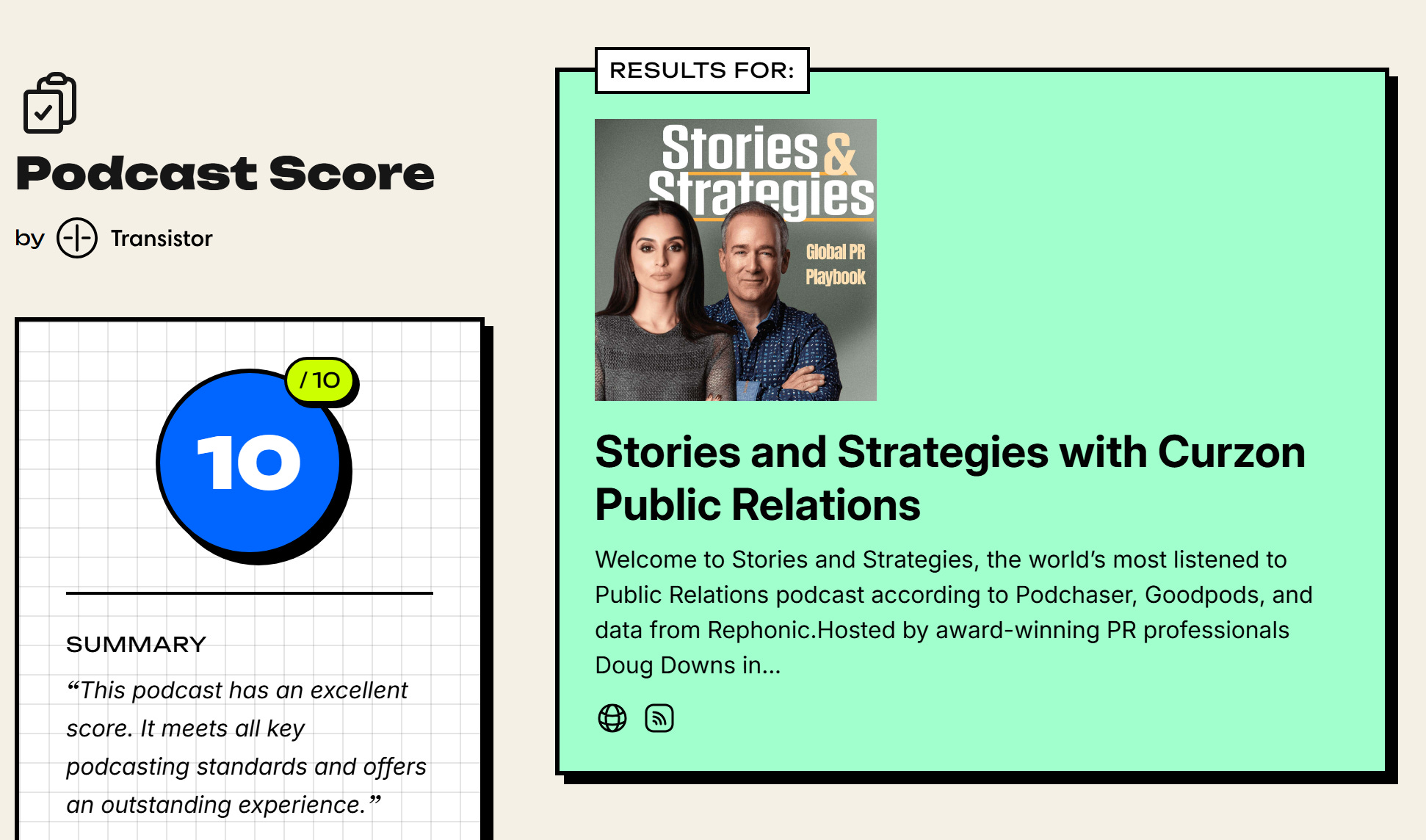
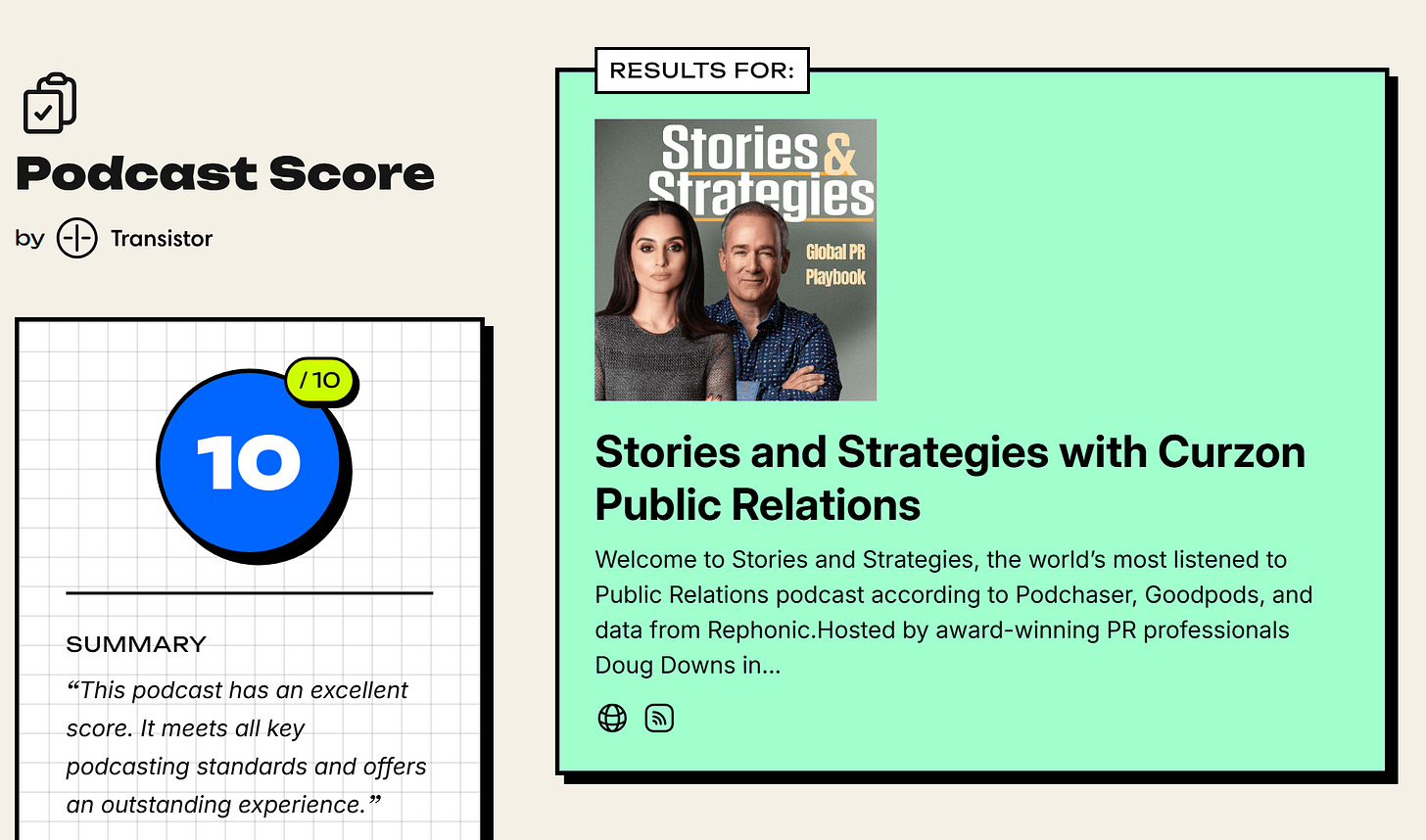
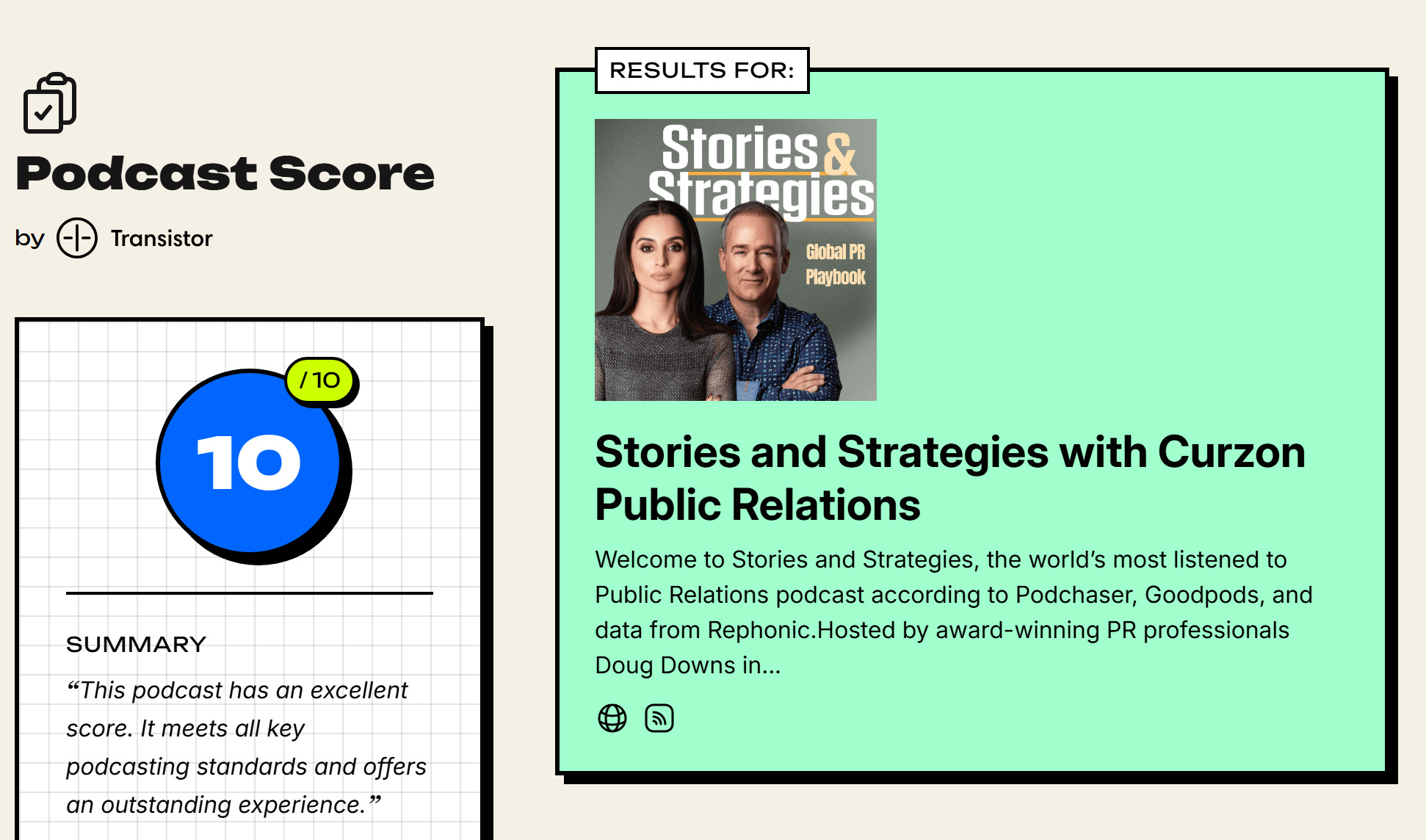
Transistor has released a podcast score tool. We did a little navel gazing on our own podcast and came up roses