
You’re Interrupting Me
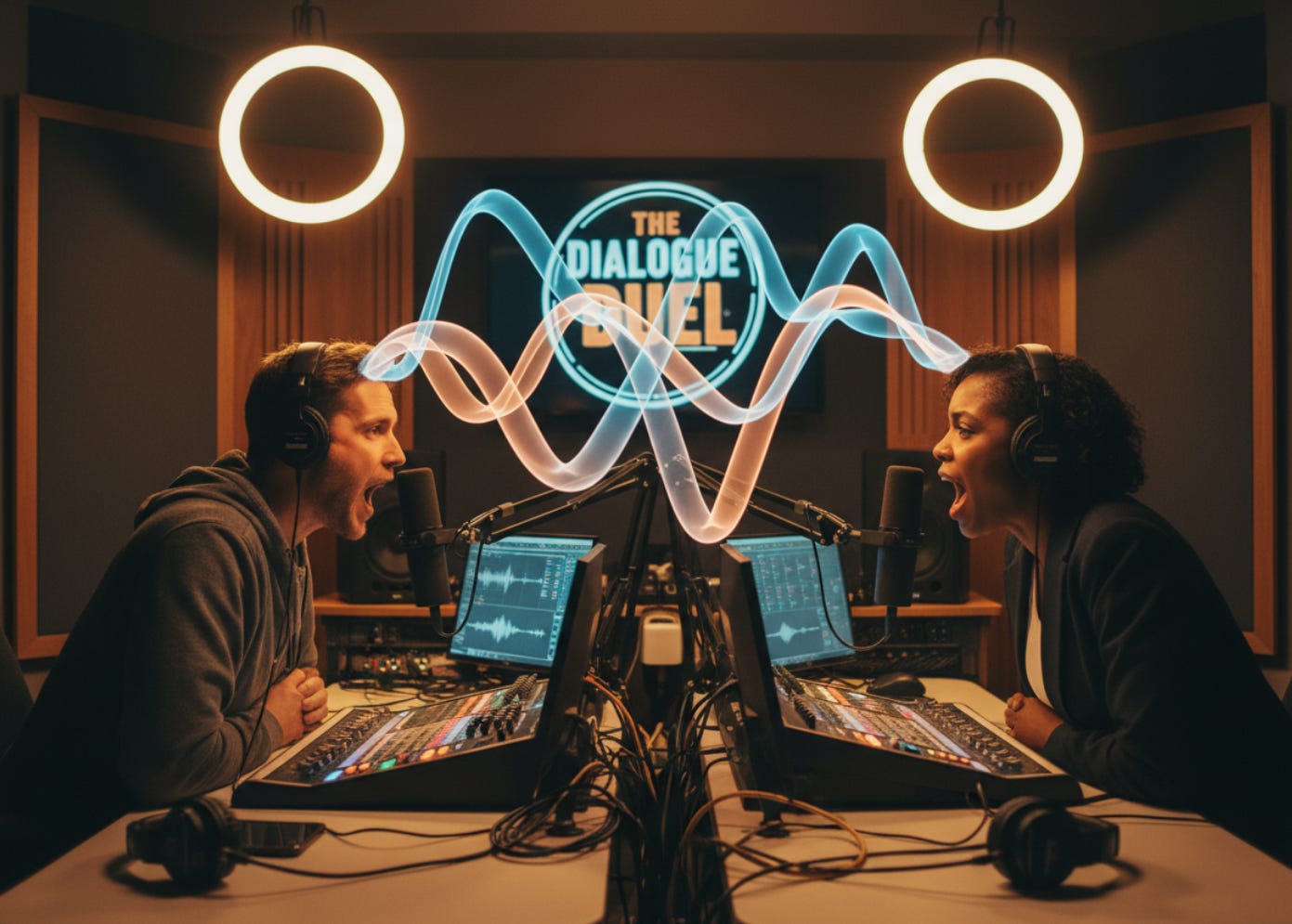
A recent analysis by PodRanker reviewed 97 episodes across 20 major interview shows and found interruption rates ranging from zero per hour to more than 16. High-energy shows like Drink Champs and Flagrant thrive on crosstalk and constant reaction. At the other end, Fresh Air, hosted by Terry Gross, recorded virtually no interruptions, reflecting classic radio restraint. Perhaps most surprising, The Joe Rogan Experience showed just 0.7 host interruptions per hour, suggesting that despite his reputation, Joe Rogan is, by the numbers, a remarkably patient listener.
So what does that data actually mean for your show? Do you ever catch yourself cutting in while your guest is mid-thought? Conversational overlapping is what happens when two people speak at the same time, and in everyday dialogue it is not automatically rude. Sometimes it is competitive, and sometimes it is cooperative. Linguist Deborah Tannen describes “cooperative overlapping” as a sign of enthusiasm, alignment, and active listening rather than domination. In that light, a quick interjection, a shared laugh, or a well-timed “yes” can signal energy and connection. For podcast listeners, that kind of overlap can feel alive and human, closer to how real conversations actually sound.
If you find yourself talking over a guest, or your guest talks over you, it is not automatically a flaw. It depends on the culture of your show and the culture of your audience. American conversational norms tend to tolerate, even reward, faster turn-taking and more interruption, while British norms often value cleaner handoffs and fewer overlaps. The real issue is not whether overlap exists, but whether it feels collaborative or competitive. Neither approach is inherently better. The style simply has to match the identity of the show and the expectations of the listener.
Do Podcasts Lean Left or Right?
Tom Webster of Sounds Profitable recently dropped some fascinating data that challenges everything we assume about podcast audiences and politics.
The overall podcast listener base is remarkably balanced: roughly a third liberal, a third conservative, and a third moderate. Even more surprising, the genres we think of as politically charged, News and Political Talk, mirror that same balance almost perfectly.
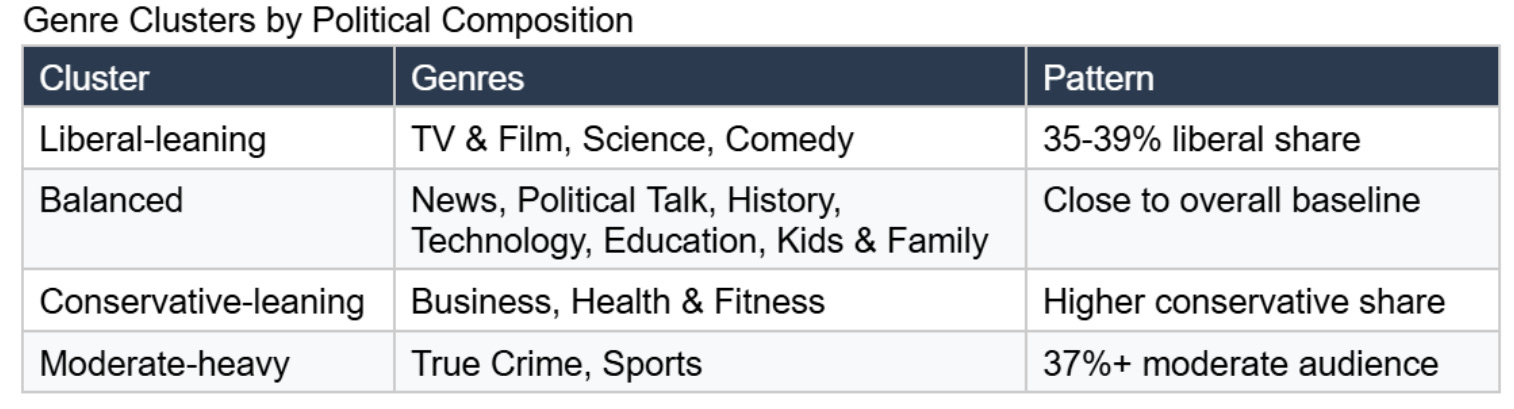
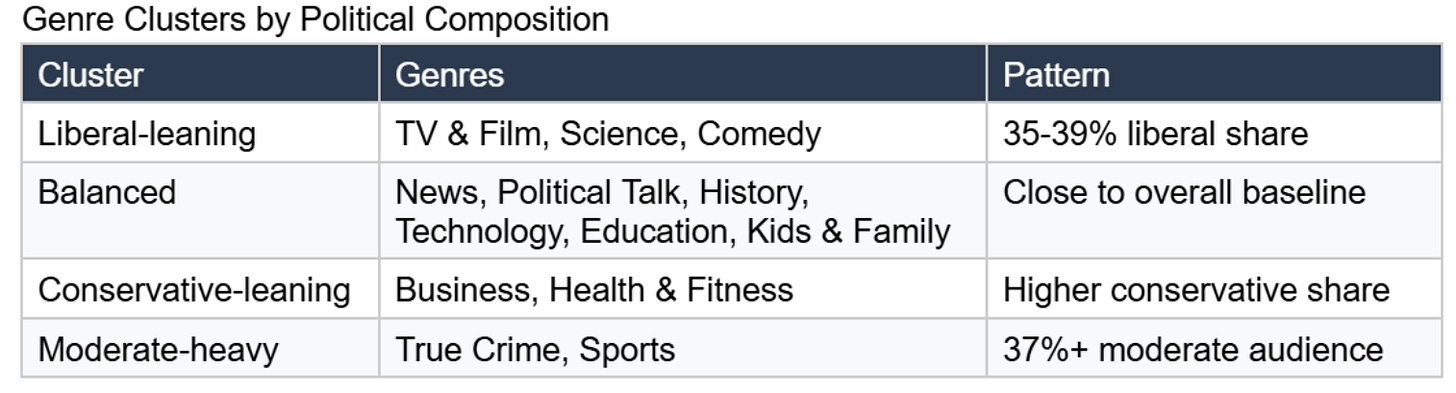
Individual genres do skew in predictable ways: TV & Film leans liberal by 19 points, while Business tilts conservative by 7.
But the biggest surprise? True Crime has the highest share of moderate listeners at 37%, making it the Switzerland of podcasting where people escape political discourse entirely.
Featured Insight
Ausha just released a free resource that breaks down the best podcast keywords by category, and it’s worth paying attention to.
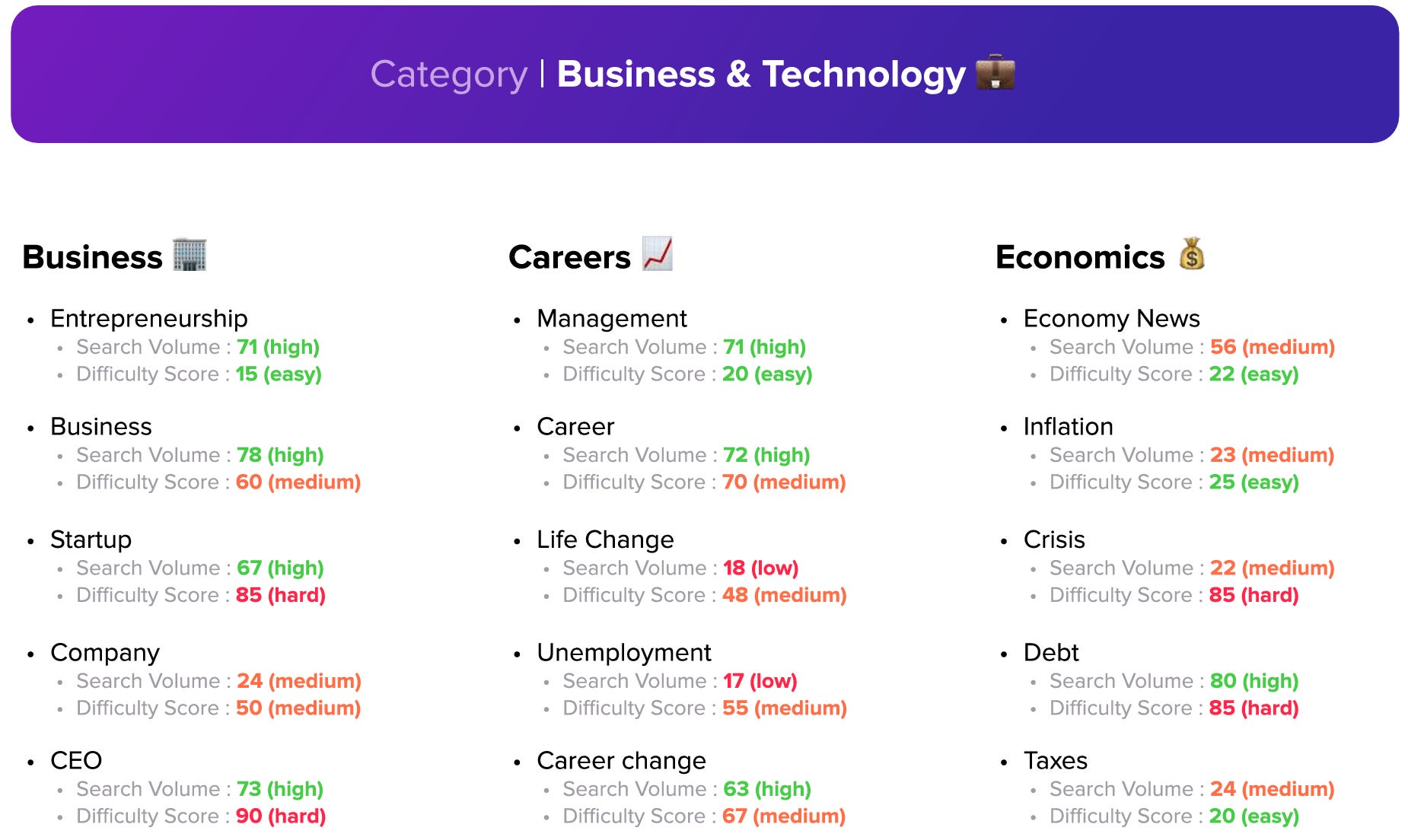
It’s a clear signal that search engine optimization inside podcast platforms is becoming a core growth strategy, not a nice-to-have. As podcast audiences expand, more listeners are discovering new shows by searching directly inside apps rather than hearing about them on other podcasts. That shift makes keywords, titles, and descriptions increasingly important for visibility. Promo swaps still work, especially among long-time listeners, but they are no longer the dominant discovery path. I break this down in a recent video with Matt Hird of the Canadian Podcast Listener, where new data shows exactly how podcast discovery is changing.
First Nigerian Podcast Census: Growth Is Real, But 59% Rely on One Platform
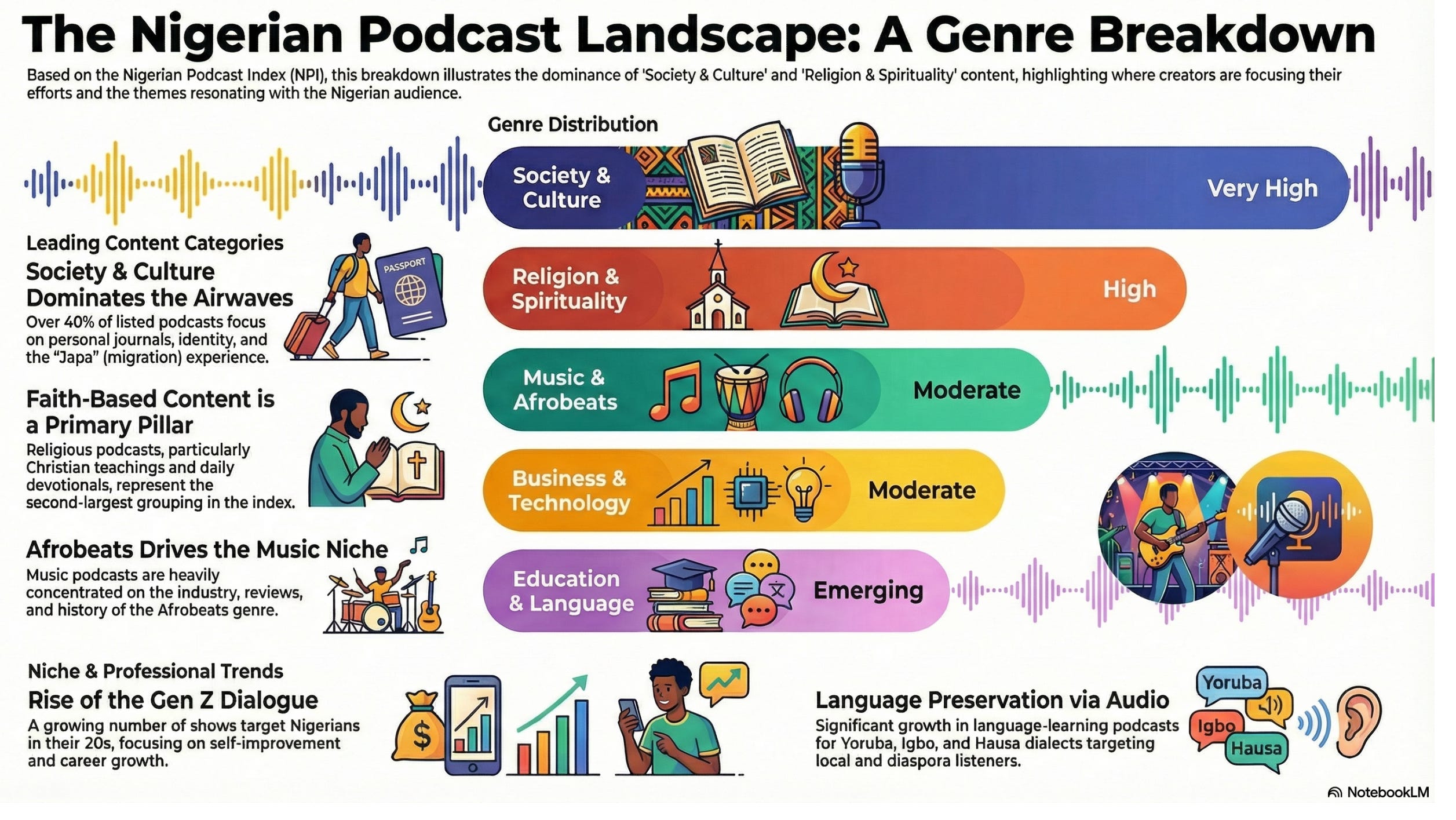
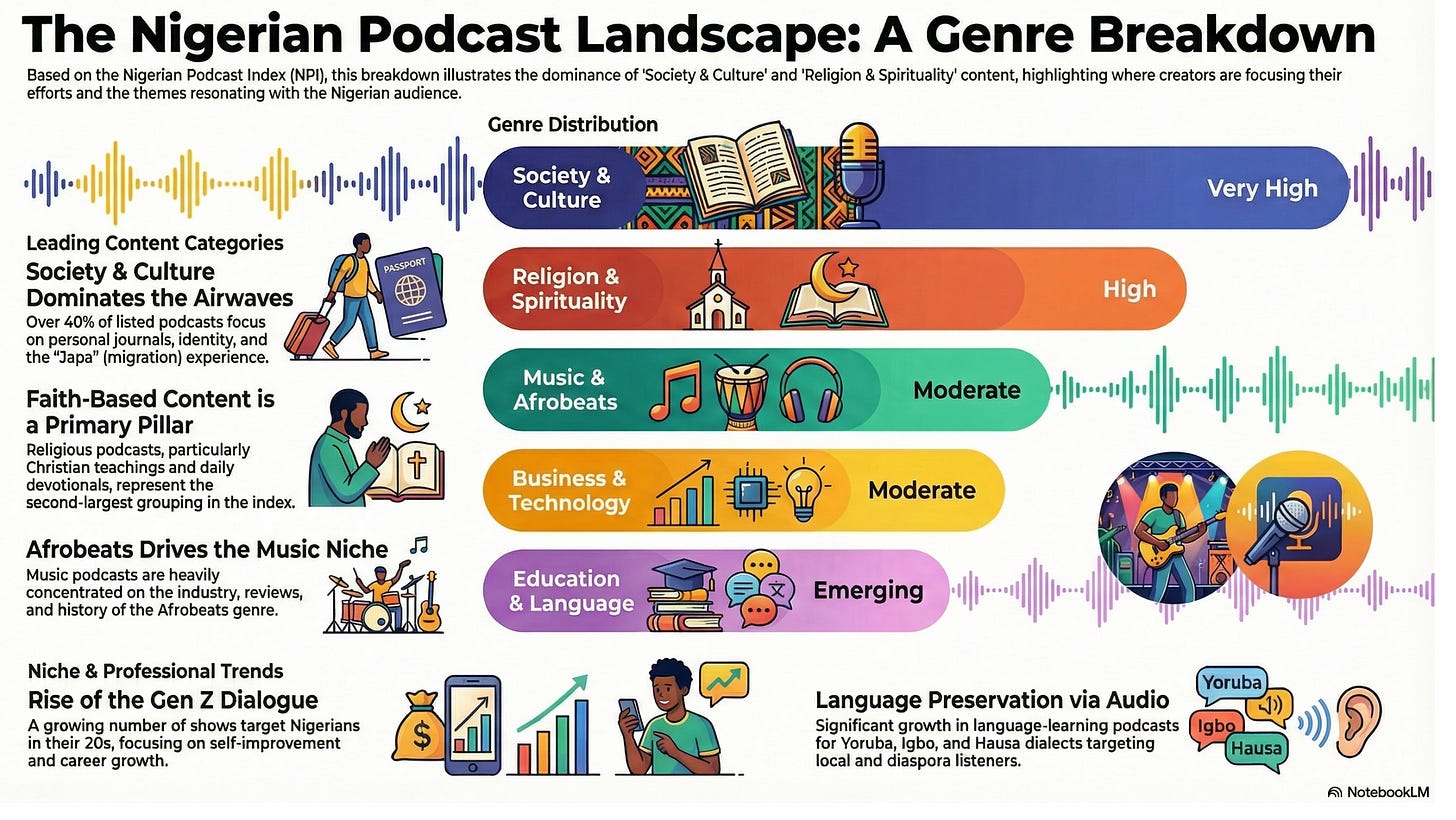
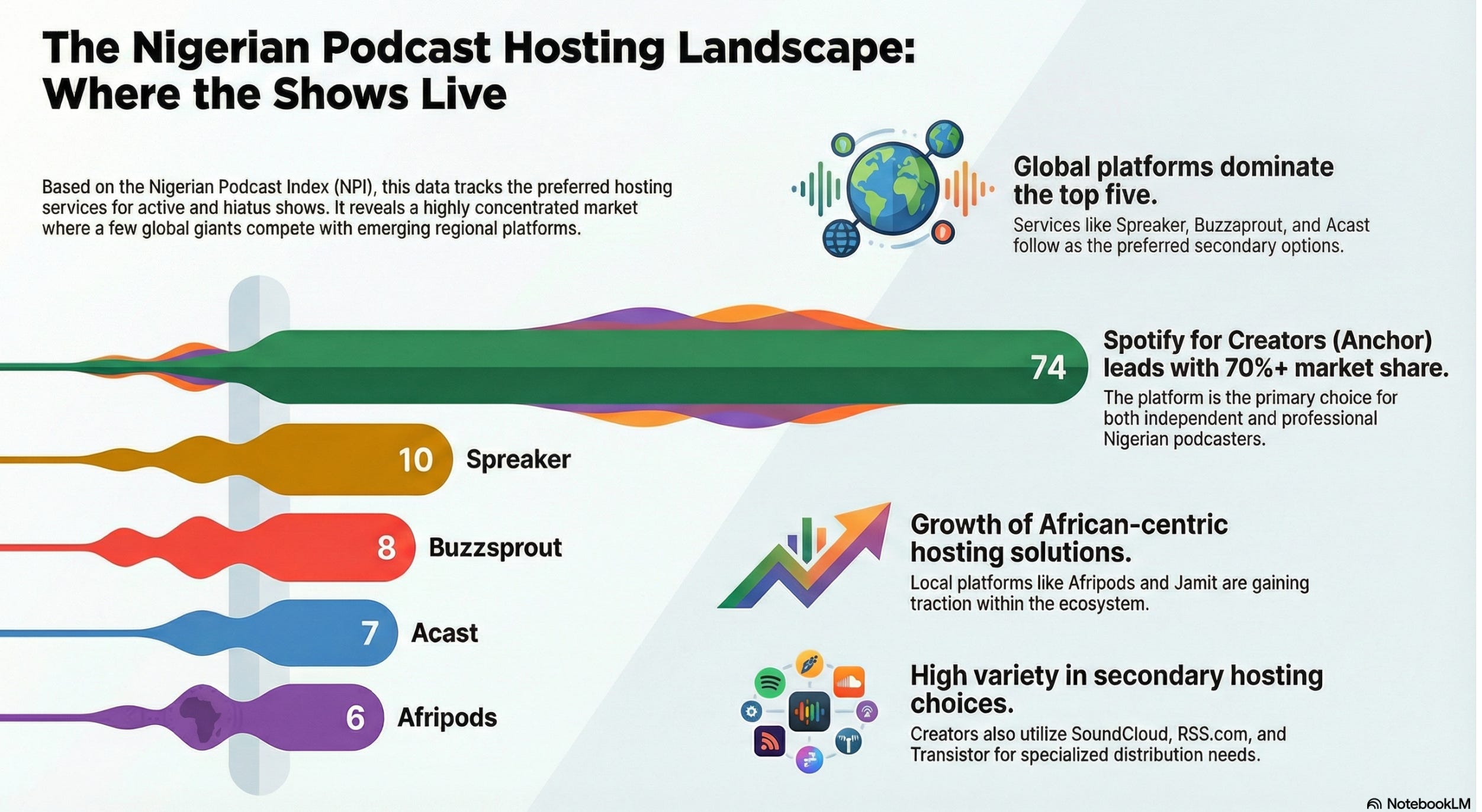
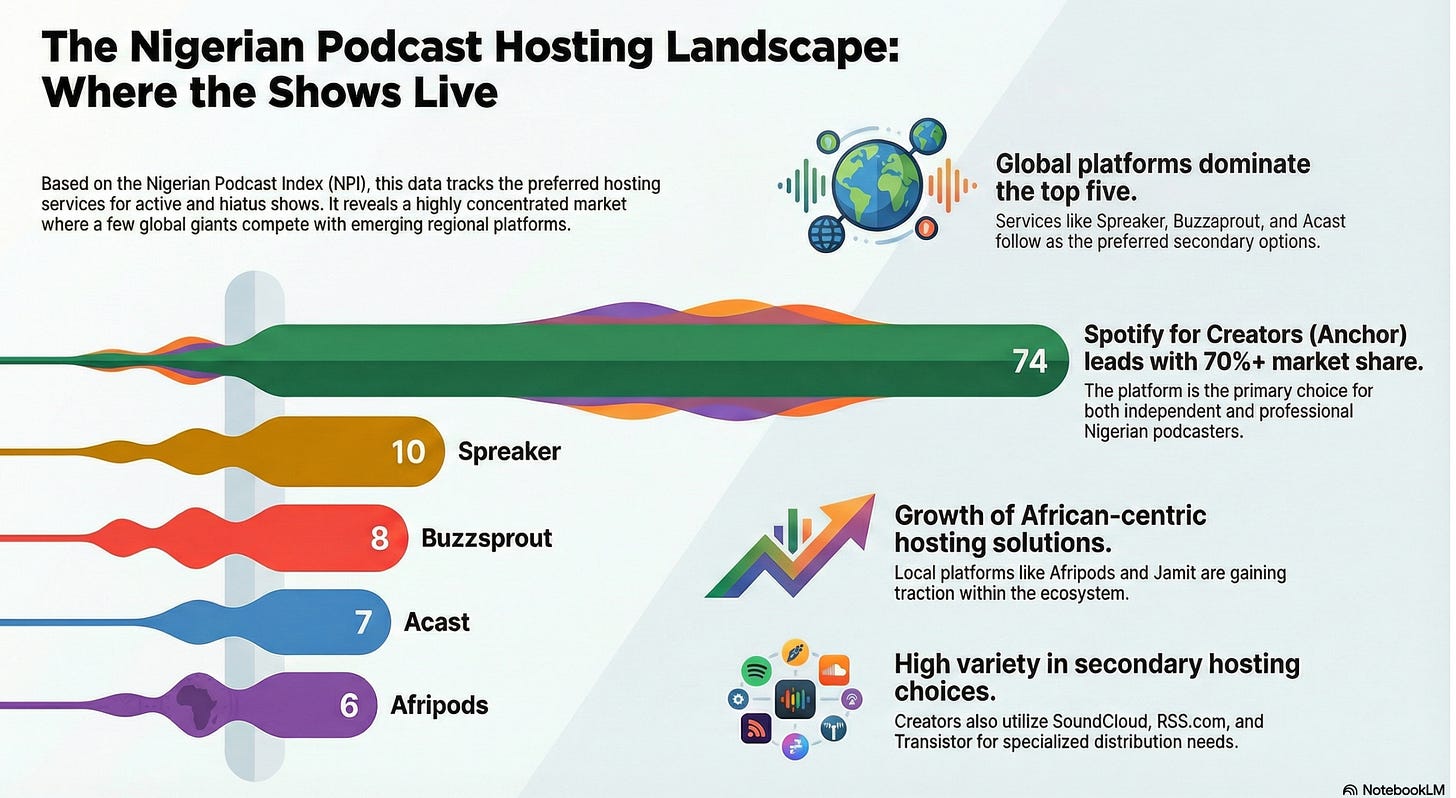
The Nigerian Podcast Index has catalogued 329 podcast titles, with 73% actively publishing, proof the country’s audio landscape has moved beyond experimentation to sustained production. From a news release published on Podnews, the data reveals a critical vulnerability: 59% of all Nigerian podcasts are hosted on Spotify For Creators, creating a dangerous dependency on a single platform. English dominates at 91% of content, while indigenous languages remain severely underrepresented despite Nigeria’s multilingual population of over 200 million. Society and culture leads in genre distribution, followed closely by religion and spirituality, which claims nearly 29% of all shows.
North Carolina Companies Turn to Podcasts
Businesses across the Charlotte metro are increasingly launching their own podcasts as a way to build authority, connect with customers, and stand out in crowded digital spaces.
Our Website Let's connect on LinkedIn Our YouTube channel The Stories and Strategies podcast on Apple, on Spotify And on YouTube