
More Than Half of Podcast Listeners Say There Are Too Many Ads
Listeners still accept podcast ads… but there IS a limit.
For years, the industry line has been that podcast listeners don’t mind ads. New research says the cushion is thinner than we thought.
The Podcast Study 2026, from Point-To-Point Marketing and , was presented in a webinar on Tuesday. They surveyed 1,205 podcast consumers in a nationally representative sample, and 54.8% say podcasts already carry too many ads. Only 8.6% would tolerate more to keep shows free.
That doesn’t mean podcast advertising is failing. Compared to other forms of advertising, it’s extremely effective, and 45% of respondents said there isn’t too much of it. Most listeners still accept ads as the price of free content. What this study shows is how little room is left to add more. Ad load is a budget of listener patience, and more than half your audience may feel it’s already spent.
The study also found that host read ads outperform prerecorded ones at getting listeners to try or buy. So before you add another break, make the ads you already sell work harder, starting with you reading them. The full findings are worth your time if you sell or sponsor shows.
Being “Cited” by AI Won’t Get Your Podcast Discovered
Discovery is the hardest problem in podcasting, and part of it is moving somewhere most of us aren’t looking. People now ask AI tools who to listen to, who to hire and who to trust, and what comes back is a short list.
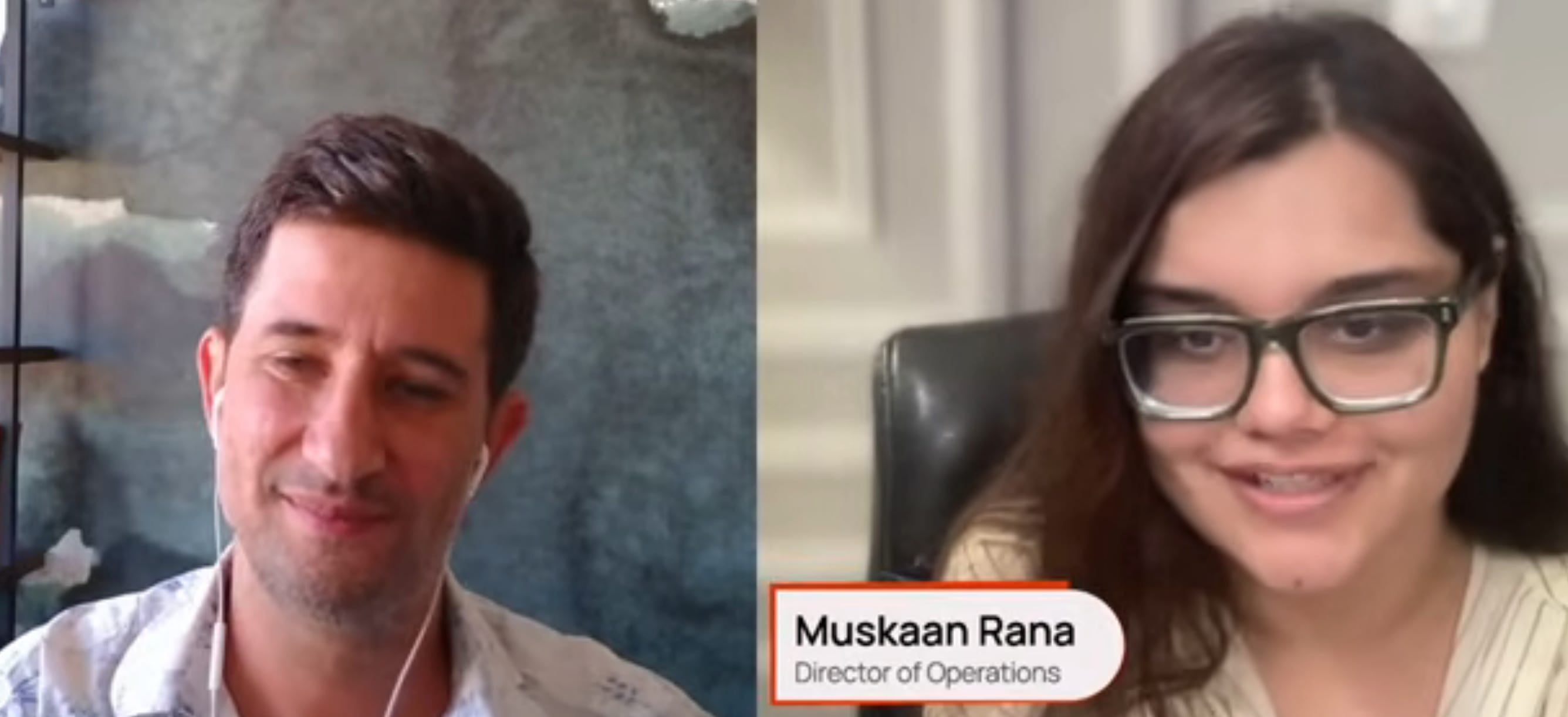
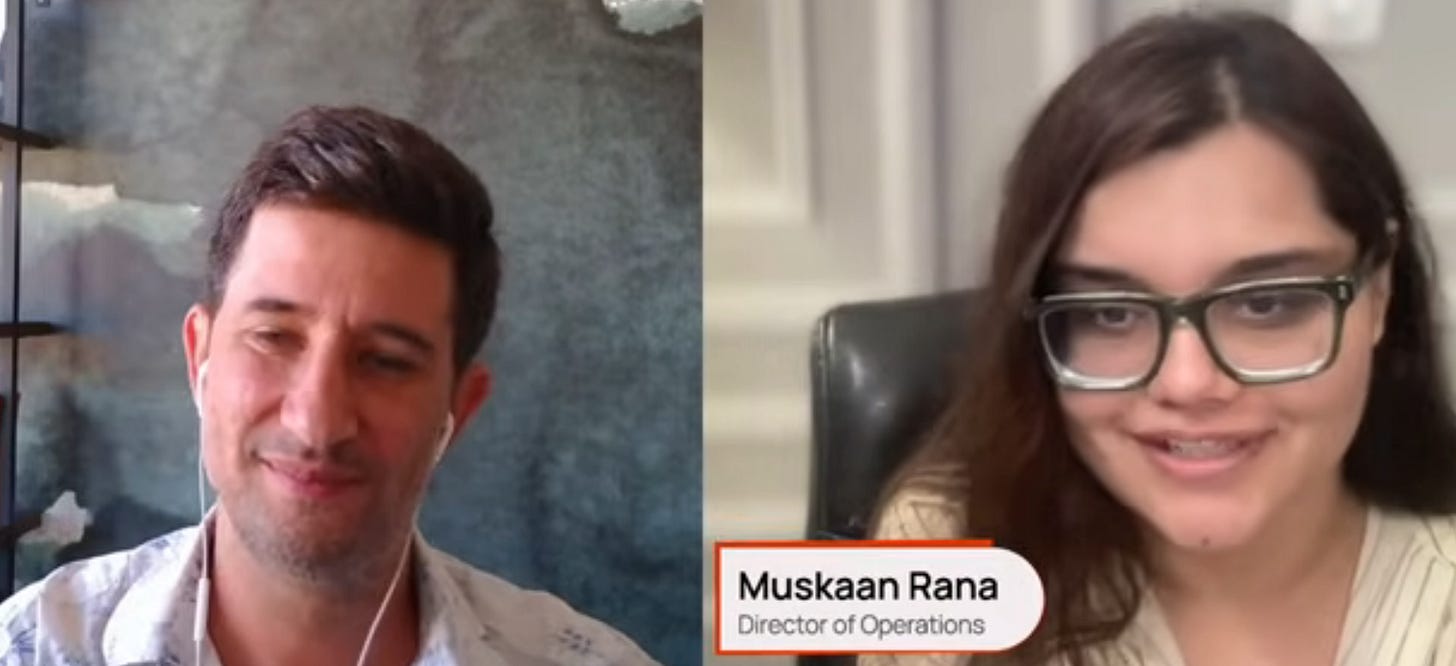
This is really a tip for serious podcasters only. In this YouTube video Muskaan Rana, director of operations at Jolly Search, explains to how to get on that list,.
Her core distinction is between being cited and being recommended. When Google’s AI Overview answers a question, the sites in the source panel are cited. The brands named in the answer itself are recommended. Citation means the AI used your work. Recommendation means it pointed someone to you, and she says those answers tend to name only four or five brands.
The question being asked decides which one you can win. Informational prompts earn citations. Prompts like “who’s the best at X?” earn recommendations.
She also says the old SEO fundamentals still matter, and that no AI work helps a site with weak technical basics. Above that foundation, her advice is to target the prompt your ideal listener or buyer would actually ask, publish original data and insight nobody else has, and build a presence on social platforms that AI engines keep citing.
She also warns against putting everything in one place, and her example is Reddit. Promptwatch tracking shows Reddit’s share of ChatGPT Search citations dropping about 86% in August. But Google’s AI products barely flinched by comparison, which tells me “AI search” is really several systems with different rules.
What catches my attention is how closely Rana’s advice describes a strong podcast. Original perspective, specific expertise, and other people talking about you in public are things a good show produces every week. The work is making sure the machines can find it, through transcripts, clips and episode pages that say something nobody else can.
Try this today. Ask a few AI tools who the best podcast is on your topic, then see whether you’re named, merely cited, or missing.
Should You Cover Your Audio Episodes with AI-Generated Video?
Podeo.ai is a new service that takes a finished podcast episode and builds a full length video from it. There are a few of these services now.
I’m a former TV broadcaster and we had a word for that. Wallpaper. You shot an interview, a talking head, which was considered kinda boring, then slapped b roll over parts of it to break up the monotony. “Spray the area Semi,” I used to say to my videographer whose last name was Semeniuk.
It was weak coverage and everyone knew it. Good video starts with the visuals and the script follows. Wallpaper works backwards, and viewers feel it.
That’s my old broadcaster brain talking and viewer habits and preferences DO change. I used to tell people when Zoom first came out they need to look at the camera, not the monitor. That just isn’t true anymore… we accept people looking down below because we know we’re doing the same thing to them.
The “Thou Shalt Not Wallpaper,” theory was built in 70’s TV and it was still relevant into the 2010’s but I’m not sure it’s survived. Today people watch talking head podcasts on YouTube for hours. They also watch openly AI generated video, including clips where a king’s face changes from one frame to the next, and nobody seems to mind.
What is or isn’t acceptable video application seems to be changing. If that’s true, wallpaper may not be such a bad sin. It’s still cheap packaging but it may not mean the banishment of people choosing not to watch.
In all honesty, I don’t actually know, nor do I know anyone who does. I hate the term Paradigm Shift but that’s what this is.
So my advice is to test the idea of AI visual coverage on an episode or series of episodes. Publish one of you episodes to YouTube as a plain talking head and publish a version with AI-generated visual coverage. Views is irrelevant here but what I’m interested in is watch time. My hypothesis is pure talking head will beat an episode entirely covered by AI but the best version is probably something that uses both. I’m going to do same and I’d love to know your results.
Radio Takes its Orders Now From Podcasts
The BBC just axed You and Yours, a consumer rights show that’s been on Radio 4 since the 1970s, and what’s replacing it is the story. The UK’s public broadcaster is swapping several long running programs for weekly shows chosen because they’ll work as podcasts. Its director general has told staff to stop making content that only works on one platform, and the audio division is losing 44 jobs by March as part of a £500m savings plan. (I would note that’s £11.36 million per job but to be fair have you seen the rent in London?).
Is Your Audio Editor Using AI?
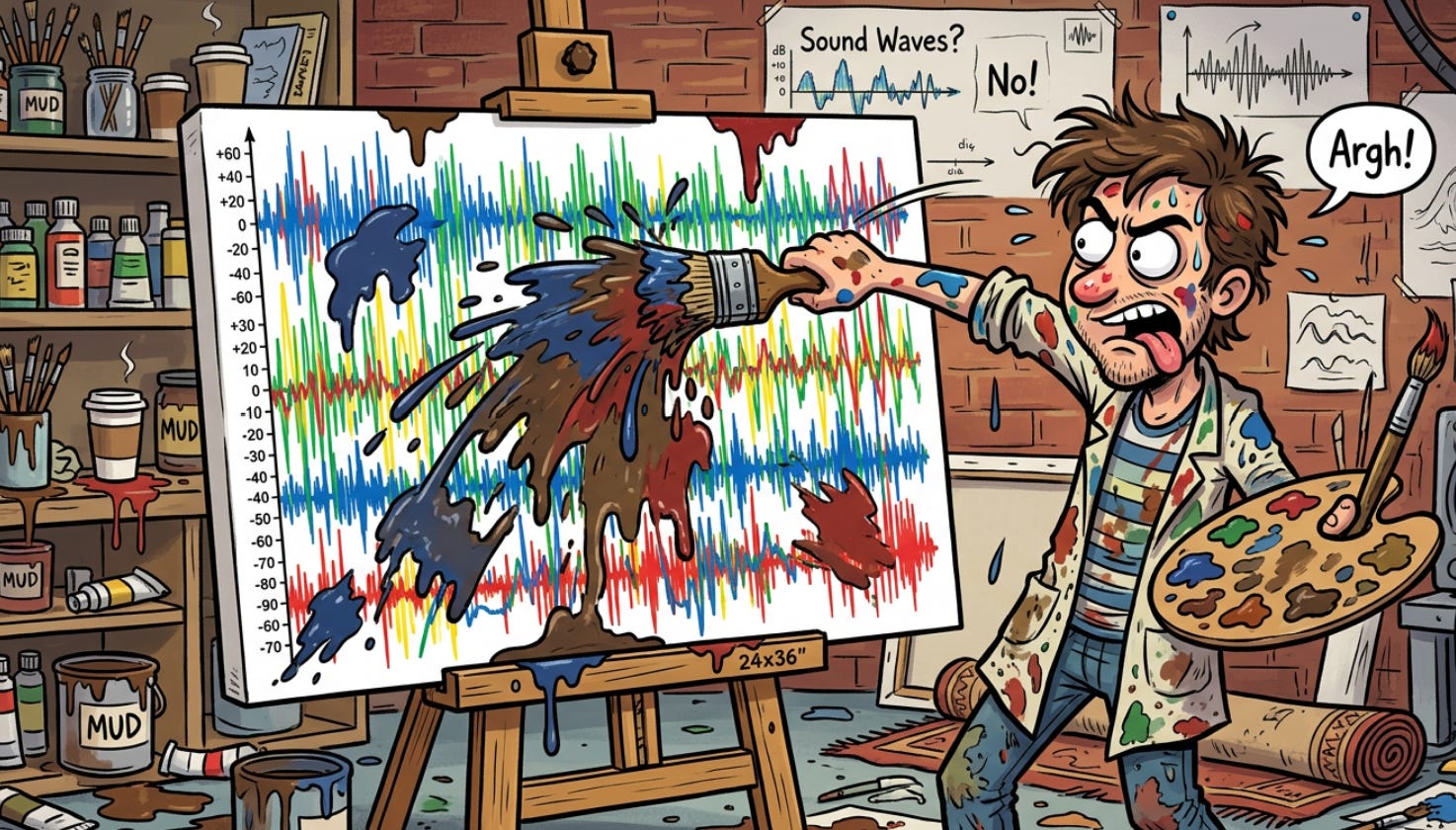
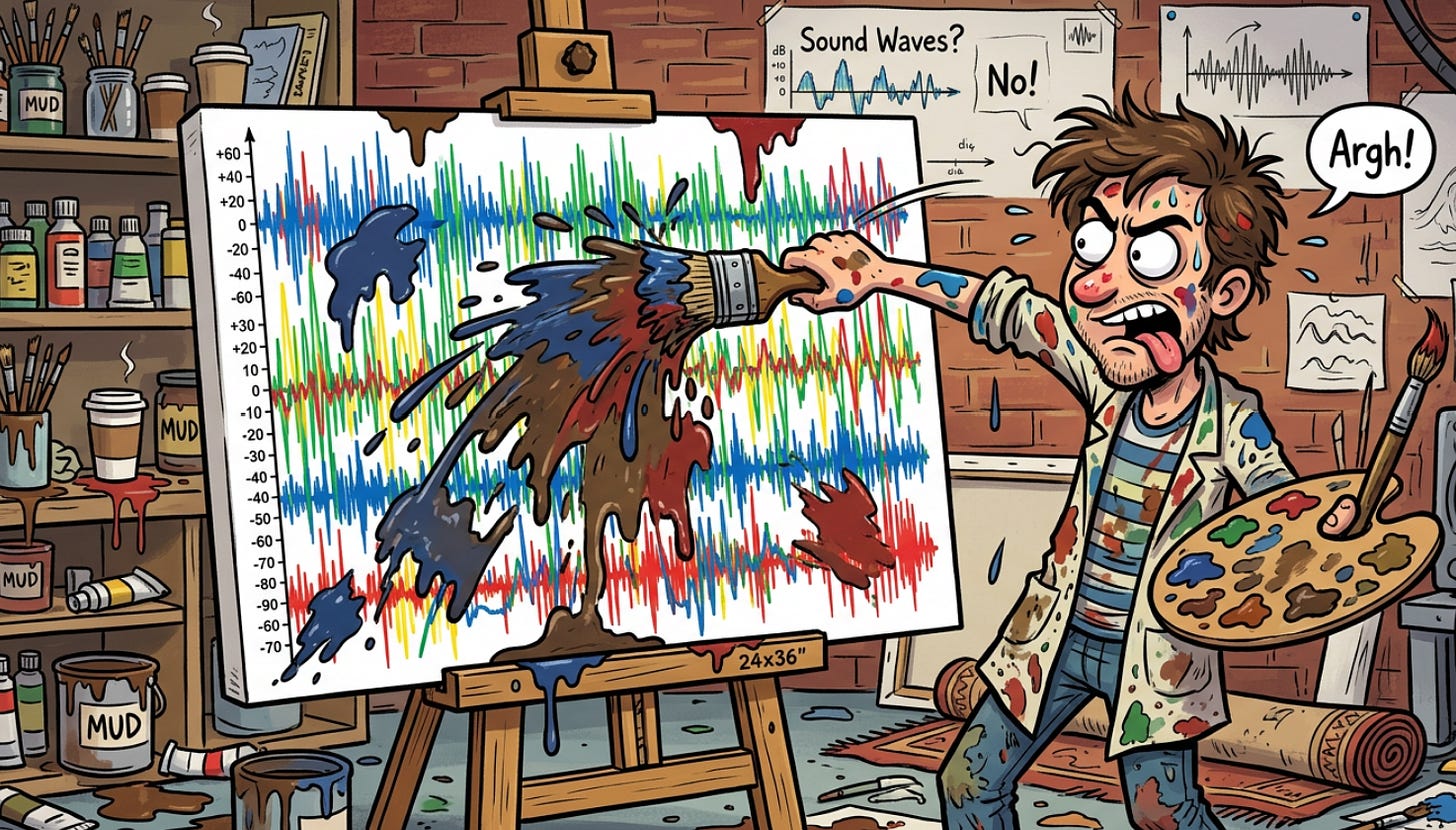
Clean audio and natural audio aren’t the same thing, and your listeners can hear the difference even when they can’t name it. Jessica Ramsey of Resonate Recordings, published a 60 second listening test for spotting an over-processed edit. Play a minute from the middle of your last episode and check for these five problems:
Pauses have vanished and every sentence runs straight into the next
The room goes completely silent between words
Every voice sits at the same steady volume
S sounds come out soft or lispy
Volume swells and shrinks around the louder words
Jessica’s rule of thumb is that two or more of these should send you back to your editor with questions. She’s also upfront that old-fashioned heavy compression can cause the same symptoms, so treat the test as a reason to ask, not a verdict.
I’d add one more: poorly timed edits that strip out the ums and uhhs. Unless the speaker is truly disfluent, that’s a mistake. Fillers act as signals for the listener in human conversation, a cue that someone is thinking or about to land a point. Every language in the world has verbal fillers, and there’s a reason for that.
Ummm, it just so happens I know an entire podcast episode dedicated to that.
Podcasts… They’re Everywhere!
Grand Theft Auto VI will feature its own in-game podcasts. For the first time, players will be able to listen through headphones while exploring the streets of Leonida, rather than being limited to listening in vehicles. Just a thought, but we recommend True Crime as the appropriate genre.


The Future of Podcast Movement
I asked the man rebuilding Podcast Movement why he cut the event in half.
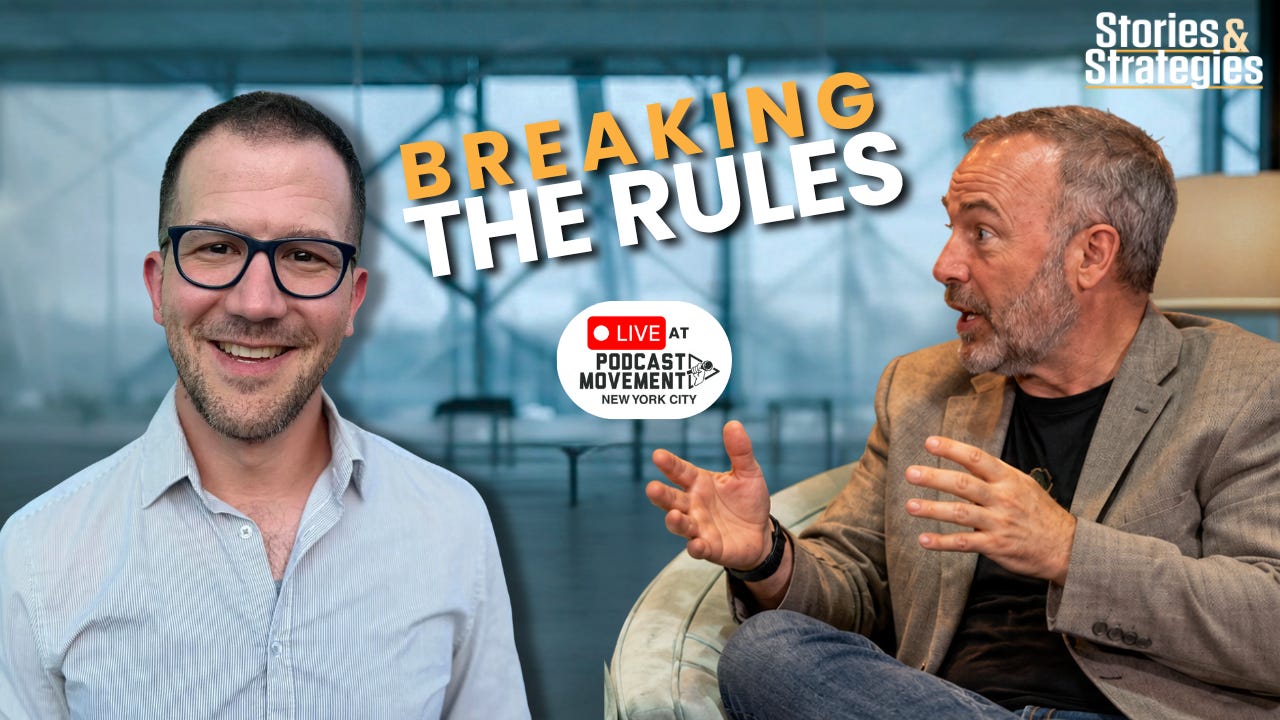
In the final hours of the New York event, I sat down with of , the company Podcast Movement acquired last summer. He rethought the whole thing from scratch: a Business Summit to open the week, a creator-first Podcast Movement to close it.
Why creator tickets are $199 and staying there, why every session was picked by community vote instead of backroom deals, and why the old expo hall is probably never coming back.
If you care where podcasting events go from here, hear it from him directly.
Other Stuff
The winners of the International Women’s Podcast Awards are here. Presented by
offers a post-publish checklist that’s pretty good
Cool Tools - RSS.com has added a free transcription tool